Your Designer Is Building Their Instagram. Not Your Home.
Every project decision — the furniture they spec, the finishes they choose, the angles they photograph — is filtered through one question: will this perform on Instagram? That means your home gets designed for a grid, not for your life.
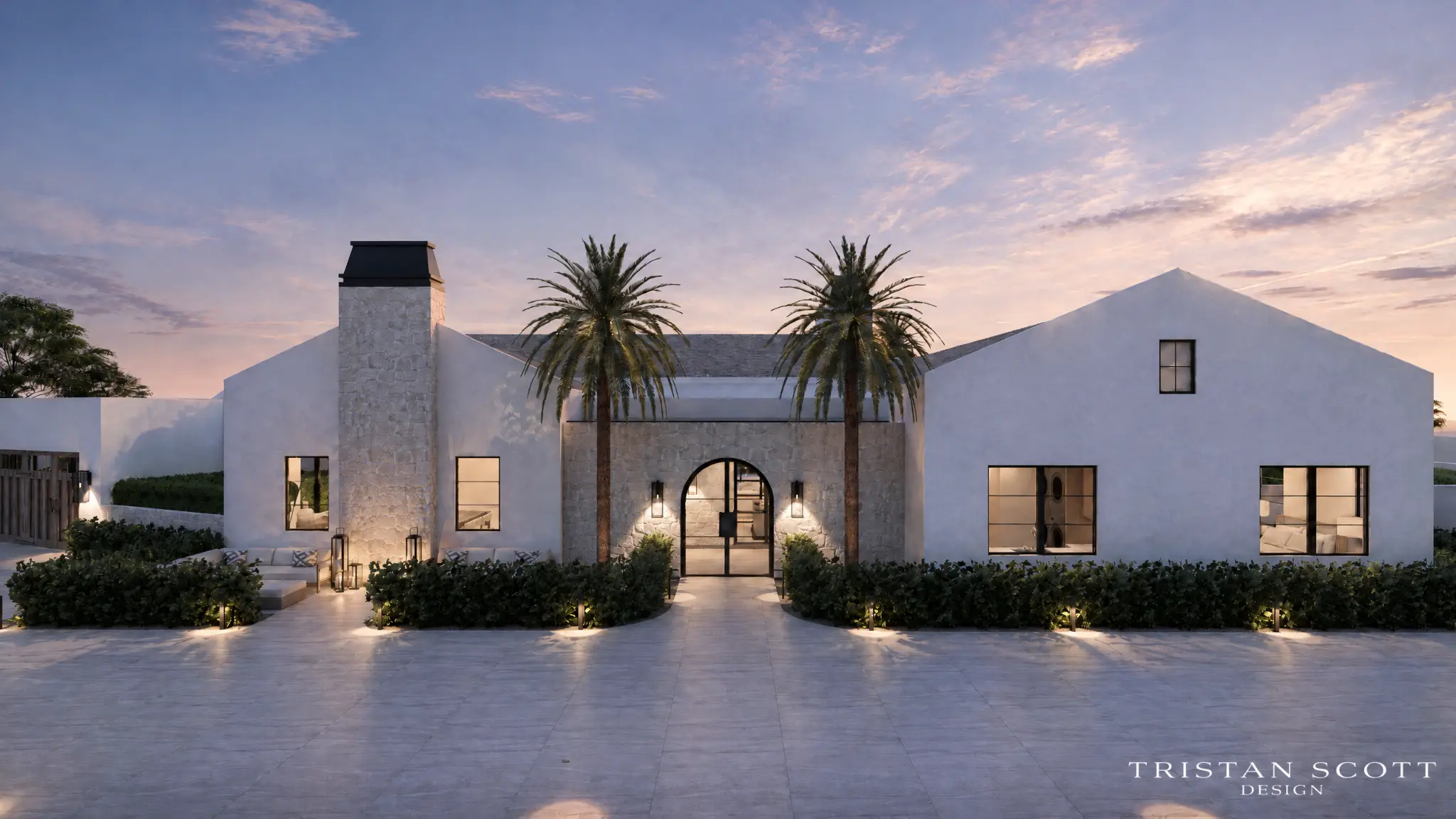
There is a question that should be asked of every interior designer before you sign a contract with them — and almost no one asks it. Not "what is your design philosophy?" Not "can I see your portfolio?" Not even "what are your fees?" The question is this: Who are you actually designing for?
Because in 2025, the honest answer at a significant number of design firms is not "my clients." It's "my audience."
The Instagram Economy Has Infected Interior Design
Interior design has always had a visual dimension — it is, by nature, an aesthetic discipline. But something has shifted in the past several years that goes beyond designers simply having social media accounts. The algorithm has become a design brief. Firms are making project decisions — specifying furniture, selecting finishes, choosing color palettes, staging spaces — not based on what serves the client's life, but based on what photographs well and performs on Instagram, Pinterest, and Houzz.
This is not speculation. Talk to contractors, furniture vendors, and photographers who work with multiple design firms, and a consistent picture emerges: the "hero shot" is now a primary deliverable. Spaces are designed to look extraordinary in a single curated photograph taken at the right time of day with the right lens. Whether those spaces are functional, durable, or actually suited to the people living in them is a secondary consideration — if it's considered at all.
The result is a generation of beautifully photographed interiors that are, in practice, difficult to live in. Furniture selected for its visual drama rather than its comfort. Materials chosen for their photogenic quality rather than their performance in a desert climate. Layouts optimized for open sightlines and camera angles rather than the actual movement patterns of a family with children, or an executive who works from home, or a couple who entertains regularly.
The Follower Count Trap
Here is how the incentive structure works, and why it produces the outcomes it does. A design firm's social media following is a direct driver of new business. More followers means more visibility, more inbound inquiries, more opportunities to charge higher fees. Every project that generates strong social content — a dramatic before-and-after, a photogenic kitchen reveal, a living room that gets 40,000 saves on Pinterest — is a marketing asset worth thousands of dollars in future revenue.
This creates a perverse dynamic: the firm's financial interest is in producing content that performs on social media, not necessarily in producing spaces that serve the client's life. These two goals often overlap — a beautiful space is both livable and photogenic — but when they diverge, many firms choose the content. The client, who signed a contract and paid a fee, has already been secured. The next client is still out there, and they are scrolling Instagram right now.
Ask yourself: when your designer proposes a material, a furniture piece, or a layout decision, are they explaining how it serves your specific needs — your family, your lifestyle, your budget for maintenance — or are they describing how it will look? There is a difference between a designer who is excited about a finish because it is genuinely the right choice for your project, and a designer who is excited about it because it photographs beautifully and will anchor their next Instagram post.
What "Client-First" Actually Means
The phrase "client-first" has been used so often in design marketing that it has become meaningless. Every firm claims it. Almost none of them define it in terms that are specific enough to be evaluated. So here is a concrete definition: a client-first design process is one in which every decision is justified by reference to the client's stated goals, lifestyle requirements, and budget — not by reference to how the space will photograph, what is trending on social media, or what will make the best content for the firm's portfolio.
This means specifying furniture that is comfortable and durable, even if it is less visually dramatic than the piece that would look better in a photograph. It means choosing materials that perform in the Arizona climate — that don't fade in direct sun, that don't show every fingerprint in a household with children, that don't require specialized maintenance the client didn't budget for. It means designing layouts around how the client actually lives, not around the open-plan aesthetic that currently dominates design media.
It also means being honest when a client's instinct is wrong. A designer who is optimizing for content will often defer to client preferences even when those preferences will produce a worse outcome — because conflict risks the relationship, and the relationship is the content pipeline. A designer who is genuinely invested in the client's outcome will push back, explain the reasoning, and advocate for the right decision even when it's uncomfortable.
The One Question That Reveals Everything
Before you hire a designer, ask them this: How many of your clients in the past two years have referred someone else to you?
Referral rate is the single most honest metric in the design industry. It cannot be manufactured with a good photographer or a well-timed Instagram post. It reflects whether the clients who actually lived with the work — who cooked in that kitchen, slept in that bedroom, hosted in that living room — were satisfied enough to put their own reputation on the line by recommending the designer to someone they know.
A firm with 50,000 Instagram followers and a low referral rate is telling you something important. A boutique studio with a modest social presence and a client base that consistently refers new work is telling you something equally important. The algorithm rewards content. Referrals reward outcomes. These are not the same thing.
How Tristan Scott Design Measures Success
At Tristan Scott Design, we have a social media presence. We post work. We maintain a portfolio online. But the metric that drives every decision in this studio is not follower count, engagement rate, or the number of saves on a post. It is whether the client, at the end of the project, got what they came for — a space that reflects their vision, functions for their life, and was delivered at the quality level they were promised.
Every project at this studio is designed by one person: Tristan Scott. That means there is no diffusion of accountability across a team, no junior designer making decisions that the principal will photograph and claim credit for, and no incentive to prioritize content over client outcomes. When a project goes well, it is because the design was right. When something needs to be corrected, it is corrected — not photographed from a different angle and posted anyway.
The portfolio on this website represents real projects, real clients, and real outcomes. The renderings match the finished spaces because they were produced by the same designer who documented them for construction. The before-and-after photographs exist because the clients were satisfied — not because the firm needed content.
That is the standard. It is not complicated. It is just increasingly rare.
If you want to see what this looks like in practice, read The Photorealistic Handoff — a case study about a developer who referred his client to us before ordering began. The client had already approved every selection in 2D. Seeing it all rendered in photorealistic 3D, they wanted to change almost everything. We caught it before a single order was placed.
Want to work with a designer whose measure of success is your outcome, not their follower count? Contact Tristan Scott Design for a free consultation. Phoenix, Scottsdale, Paradise Valley, and nationwide.